Praise for the Pollinators
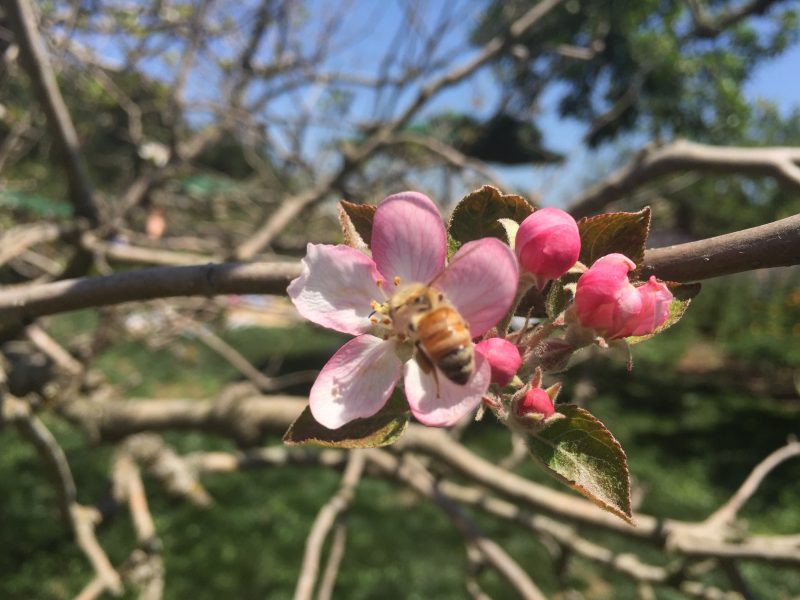
Bees are the world’s primary pollinators. Without honeybees, many cultivated crops and wild plants would be unable to grow and thrive. In fact, according to many estimates, one-third of all of the food we eat and beverages we drink are made possible by pollination, mainly by honeybees. Pollination is the transfer of pollen between the male and female parts of flowers that enables reproduction. As a honeybee moves from one flowering plant to another, it leaves a bit of pollen dust behind. Magic. And needless to say, so very important as nearly all fruits and many vegetables are dependent on pollination to grow!
But sadly, the number of honeybees in the United States has been declining since 2006. According to the Bee Informed Partnership, US Beekeepers Lost 44 Percent of their honeybees in 2015-16 alone! This decline is a big threat to our fruit and vegetable production. Bees are declining not only in the United States, but also throughout the rest of the world.
What’s causing the decline?
According to a 2013 U.S. Department of Agriculture study on Honey Bee Health, there are multiple factors playing a role in U.S. honeybee colony declines, including: parasites and disease, poor genetic diversity, poor nutrition among honey bee colonies, and exposure to pesticide-treated fields. A major culprit is the Varroa mite, a lethal parasite that can easily spread between colonies. This mite has been resistant to the chemicals beekeepers use to control mites within their hives.
What needs to happen?
According to the above U.S. Department of Agriculture study, increased genetic diversity in the honeybee population is needed. Honeybee breeding should emphasize traits that confer improved resistance to Varroa mites and diseases. To combat poor nutrition, land management should maximize available nutritional forage to promote and enhance good bee health, and bees need to be protected from pesticide-treated fields. The report also says that additional research is needed to determine the risks to bees presented by pesticides.
Honeybees and apple trees
The honeybee is an essential part of the ecosystem around North Coast Organic and our apple products because they are the essential pollinators that help our local apples grow. In fact, to celebrate the importance of honeybees to the apple trees and apple farmers in our area, the 2017 Gravenstein Apple Fair has chosen the theme of “In Praise of the Pollinators.” Here, besides the phenomenal apple based products you will find here, there will also be beekeeping experts giving presentations and demonstrations throughout the weekend. Taste and stock up on your local honey products here!
If you would like to join everyone at North Coast Organic at the fair for a weekend of old-fashioned fun, we invite you to look at the Gravenstein Apple Fair website. The fair will be held in Sebastopol, CA at Ragle Ranch Park the weekend of August 12th & 13th.
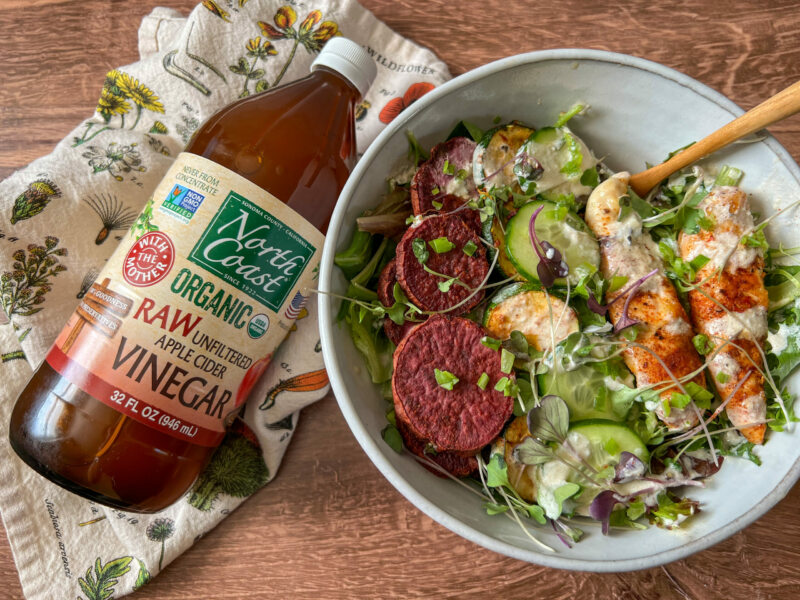
North Coast Organic apple products are made in Sebastopol, CA from U.S. grown certified organic apples. They contain no added sugars, preservatives, colorings or flavorings.